
Let’s be honest about holiday travel and bladder leaks
Holiday travel already comes with its own chaos.
Long drives.
Delays.
Tight schedules.
Shared bathrooms.
If you live with urinary incontinence, bladder leaks, urgency, or stress leaks, travel can feel like playing chess with your bladder.
You are always thinking three moves ahead.
Many people with incontinence quietly avoid trips altogether.
Studies show urinary incontinence significantly affects social activities, confidence, and willingness to travel, especially for women and older adults.
If that sounds familiar, this guide is for you.
Not to scare you.
Not to promise miracles.
Just to help you travel with less stress, fewer surprises, and more peace of mind.
 Step one, understand what makes travel harder on your bladder
Travel disrupts routines.
You sit longer.
You drink differently.
You delay bathroom breaks.
Stress goes up.
All of that can trigger urgency or leaks.
According to continence specialists, prolonged sitting and poor posture can increase pressure on the pelvic area, which may worsen bladder symptoms.
Actionable steps
- Expect symptoms to fluctuate. That is normal.
- Do not panic if your bladder feels more sensitive during travel days.
- Plan support around your body instead of fighting it.
Pro tip
Think of your bladder like a cranky travel companion. It does better when it feels supported, not ignored.
 Pack like someone who plans for reality, not perfection
This is not about overpacking. It is about packing smart so you do not spiral when something unexpected happens.
Your must have travel kit
- Absorbent pads or liners that match your leak level
- Extra underwear and pants
- Disposable or reusable bags for changes
- Gentle wipes and skin barrier cream
- A small toiletry pouch that stays with you

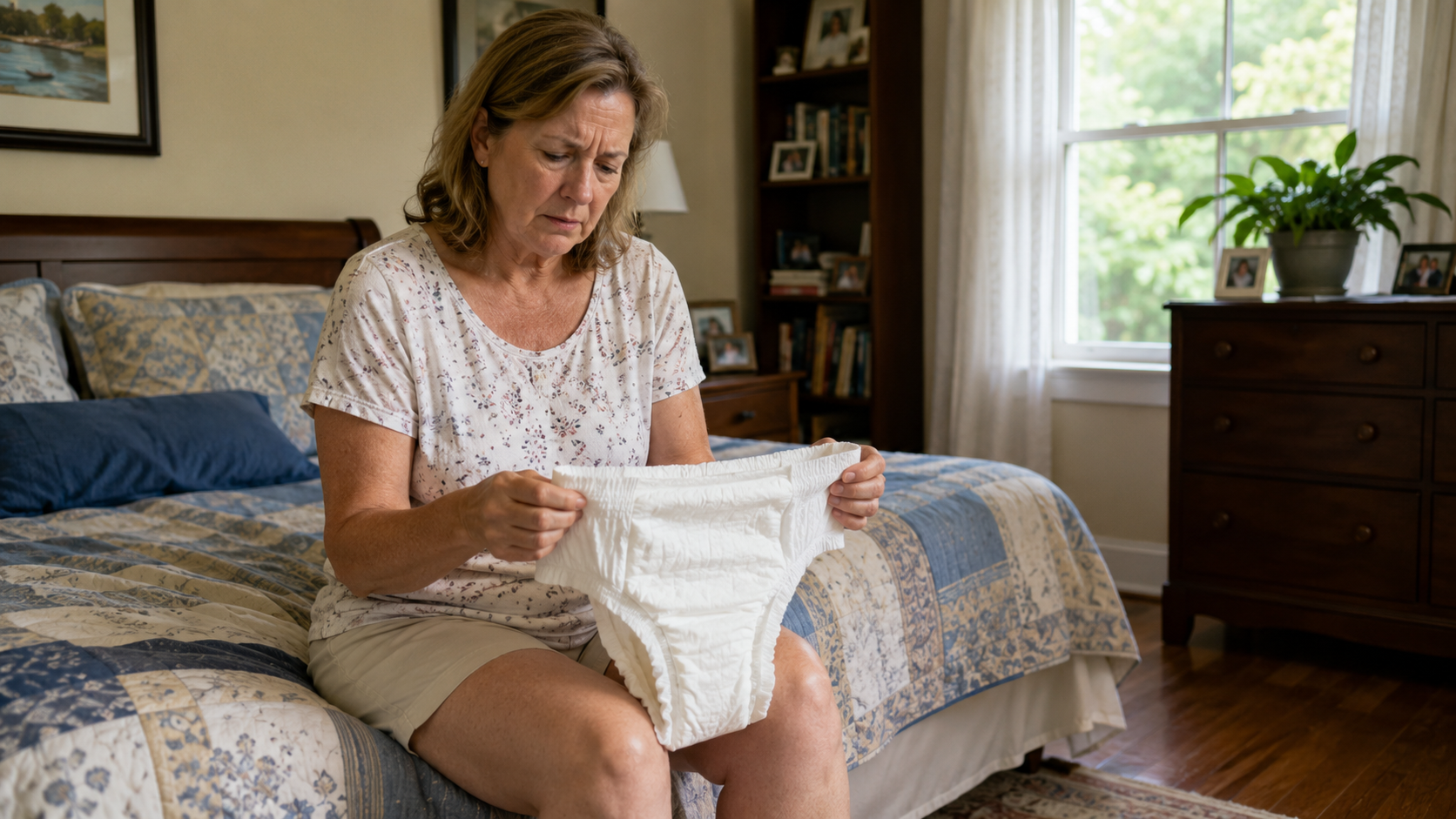
For longer drives or flights, wearing leak proof underwear adds an extra layer of protection.
It is especially helpful for long car rides, plane travel, or sleeping away from home when access to a bathroom may be delayed.
It is not about hiding a problem.
It is about buying yourself calm.
 Sitting for hours? Comfort matters more than you think
Long drives and flights mean hours of sitting, often with poor posture.
Slouching increases pressure on the lower abdomen and pelvic area, which can worsen urgency and discomfort.
Using a posture support cushion during road trips or long seated travel can help reduce pressure, support spinal alignment, and make sitting more comfortable.
It can help reduce strain and discomfort during long stretches of sitting.
Actionable steps
- Adjust your seat so your hips are slightly higher than your knees
- Take breaks to stand and move every 1.5 to 2 hours
- Use lumbar or posture support if you know long sitting worsens symptoms
Pro tip
If your back is tense, your pelvic floor usually is too.
 Hydration without making things worse
A common mistake is drinking less to avoid bathroom trips.
This often backfires.
Dehydration irritates the bladder and increases urgency.
Harvard Health warns that restricting fluids can worsen bladder symptoms and increase UTI risk
Actionable steps
- Sip water steadily instead of chugging
- Avoid large drinks right before boarding or long drives
- Limit bladder irritants like caffeine and alcohol on travel days
Pro tip
Your bladder hates extremes. Too much or too little both cause problems.
 Planning for relief during the day
Some people want something they can rely on during busy travel days when bathroom access is unpredictable.
Bladder control patches are designed to provide up to 12 hours of relief, offering a non pill option for managing urgency during travel days.
They are not a cure and not medicinal, but they can be part of a short term support plan when you need to get through a long day with fewer interruptions.
Actionable steps
- Test any new support option at home before travel
- Use it on high stress days like flights or long sightseeing schedules
- Combine symptom relief with planning and protection, not instead of it
Pro tip
Relief tools work best when paired with realistic expectations, not pressure.
 Sleeping away from home without anxiety
Sleeping somewhere unfamiliar can trigger a lot of worry. Many people fear accidents, cleanup, or embarrassment, especially when staying with family or friends.

A bed protection pad can quietly remove that fear.
It protects the mattress, reduces cleanup stress, and allows you to sleep without constantly waking up to check yourself.
This is about peace of mind, not giving up.
Nighttime bladder issues are extremely common, especially with age.
Actionable steps
- Set up your sleep space as soon as you arrive
- Keep nighttime supplies within arm’s reach
- Use protection even if accidents are not frequent, just for reassurance
Pro tip
Good sleep makes bladder control easier the next day.
 Hygiene during travel and sleepovers
Travel, leaks, and unfamiliar bathrooms can make hygiene feel stressful.
Harsh products can irritate already sensitive skin.

Carrying a solid yoni soap bar is a discreet, spill proof option for maintaining intimate hygiene during travel or sleepovers.
Being all natural, it avoids harsh chemicals that can cause irritation, especially for people dealing with leaks or frequent wiping.
Actionable steps
- Avoid scented or harsh washes
- Stick to gentle cleansing once or twice daily
- Keep hygiene simple and consistent
Pro tip
More products do not mean better hygiene. Gentler usually wins.
 Map bathrooms like you map your route
Knowing where bathrooms are reduces panic. Panic worsens urgency.
Use apps like Flush, SitOrSquat, or Bathroom Scout to plan ahead
Actionable steps
- Check bathroom locations before leaving
- Choose aisle seats when flying
- Build bathroom breaks into your schedule instead of rushing
Pro tip
Confidence often comes from knowing your exits.
 The emotional side matters too
Incontinence affects confidence, relationships, and self image.
Many people feel embarrassed or isolated, even though millions experience the same thing.
Research shows urinary incontinence is strongly linked to anxiety and reduced quality of life.
If you feel nervous about travel, that is not weakness.
That is your body asking for reassurance.
Pro tip
You are allowed to travel even if your bladder is imperfect.
 Final thoughts
Travelling with urinary incontinence does not mean you stop living.
It means you plan differently.
With the right preparation, comfort support, protection, and hygiene tools, travel becomes manageable again.
You do not need to be fearless.
You just need to be prepared.
Share:
"Pretty Potty Princess": When Humour Turns Into Harassment
Bladder Leaks After the Holidays: Why Symptoms Can Flare