
There is a version of the female body the world applauds.
The one that “bounced back.”
The one that looks effortless.
The one that never seems to struggle.
We frame her as strength.
But there is another body — just as strong — that rarely gets mentioned.
The body that tightens before she laughs.
The body that chooses darker fabrics.
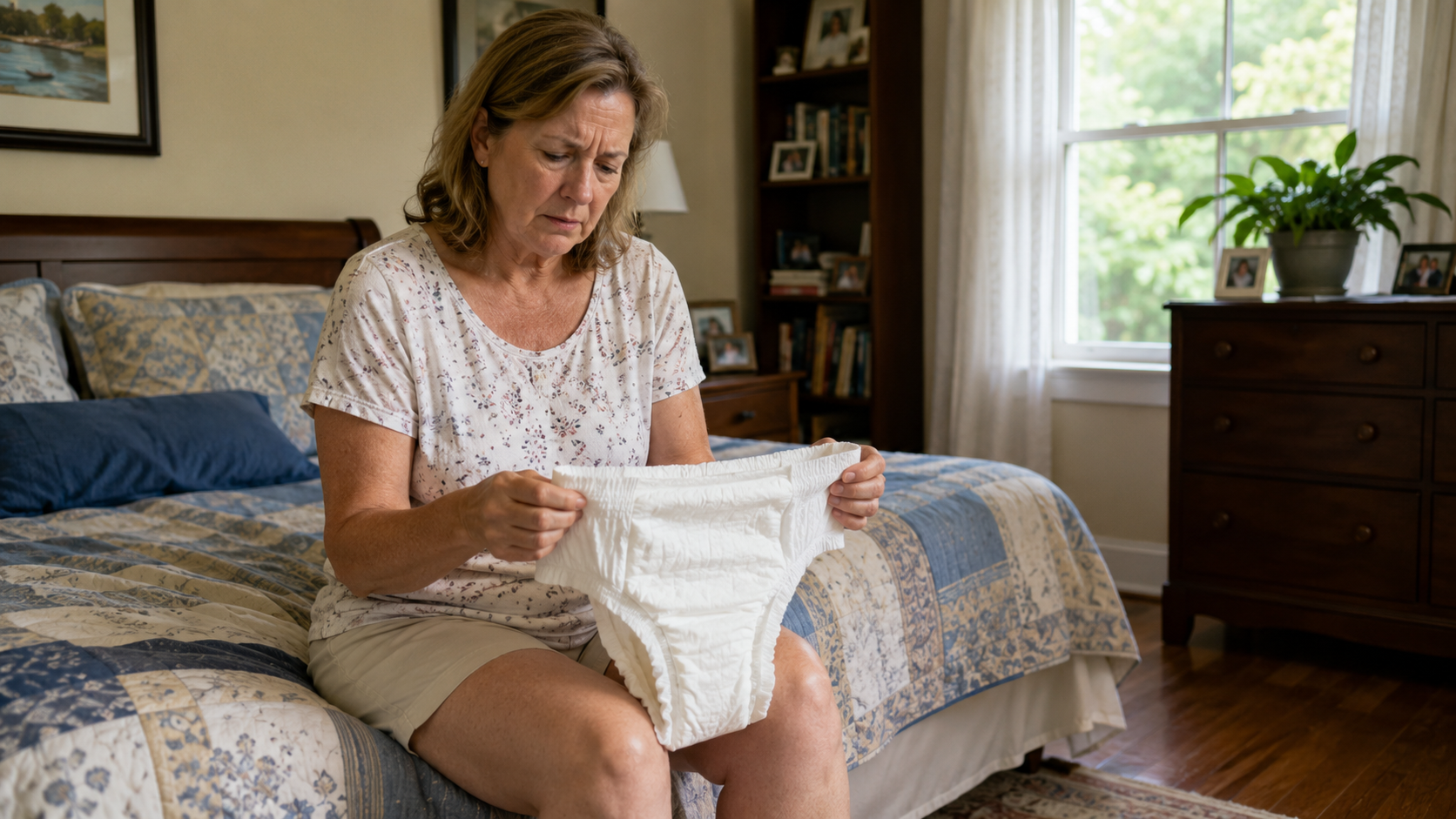
The body that wakes at 2:17 a.m. and quietly checks the sheets.
In Women’s Month, that body deserves celebration too.
Because strength is not perfection.
Strength is adaptation.

The Reality More Women Share Than We Admit
Urinary incontinence affects up to one in three women worldwide.
A 2024 study published in BMC Women’s Health found that urinary incontinence significantly impacts emotional wellbeing, daily function, and social participation — yet many women normalize symptoms and delay seeking care due to embarrassment.
One in three.
That’s not rare. That’s common biology.
Dr. Mary Jane Minkin, Clinical Professor of Obstetrics and Gynecology at Yale School of Medicine, has emphasized that urinary incontinence is...
“very common and often very treatable,”
...but women frequently assume it is simply part of aging.
And when something is framed as inevitable, it becomes invisible.
Invisible struggles rarely receive applause.

Your Body Didn’t Fail You. It Adjusted.
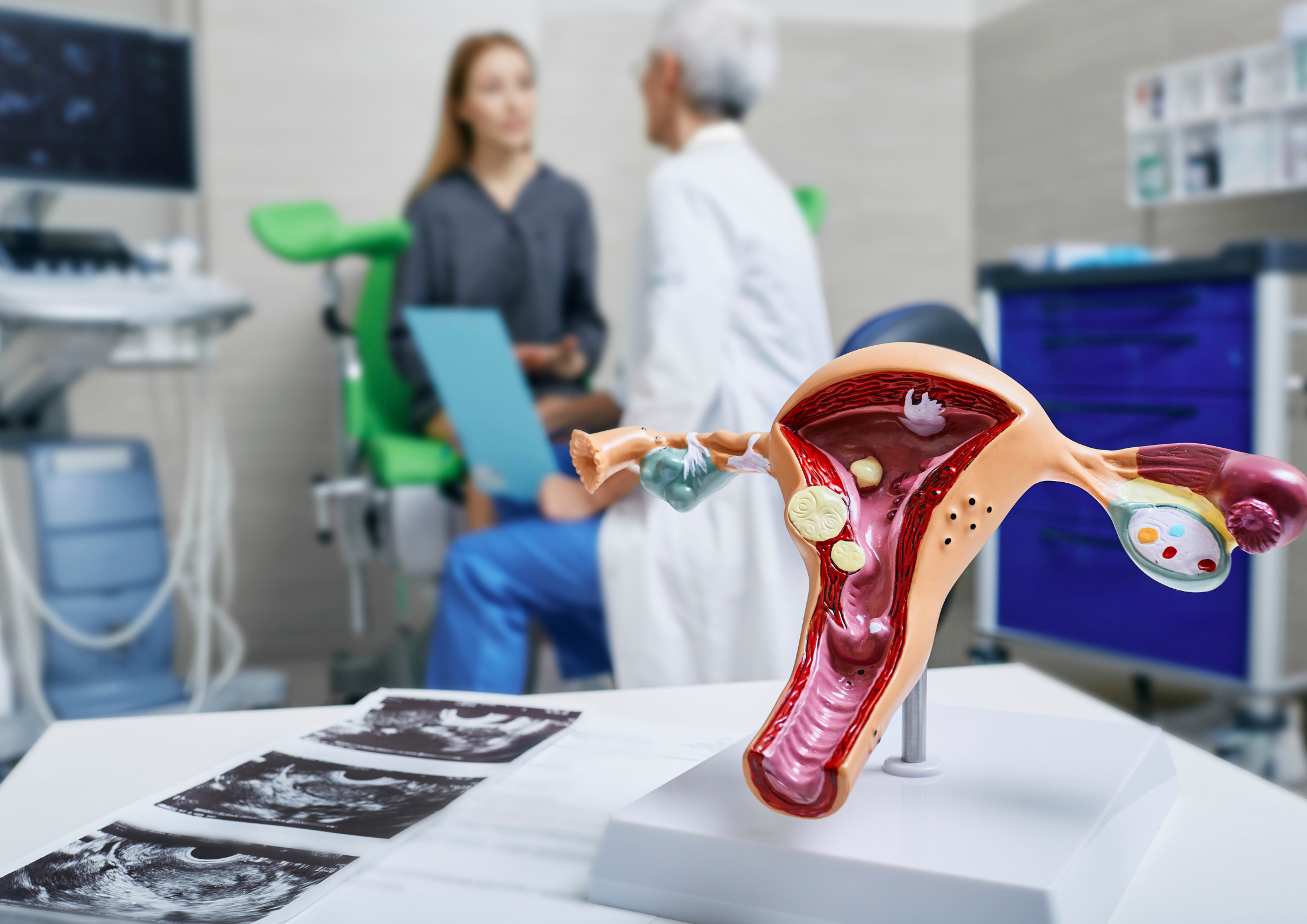
The pelvic floor is a group of muscles that acts like a supportive hammock beneath the bladder and pelvic organs.
Over time, that hammock stretches.
Pregnancy.
Childbirth.
Hormonal shifts.
Years of gravity.
The American College of Obstetricians and Gynecologists explains that stress urinary incontinence becomes more common after vaginal delivery and during menopause due to structural and hormonal changes.
Imagine a trampoline.
When it’s new, it rebounds easily.
After decades of carrying weight, it softens.
Not because it is broken — but because it has been used.
The National Institute for Health and Care Excellence (NICE) recommends pelvic floor muscle training as first-line treatment for stress urinary incontinence.
But many women are unsure if they are even contracting the right muscles.
 The EMS Pelvic Floor Massager is designed to gently stimulate pelvic muscles, helping guide engagement and improve awareness of proper contractions.
Low-level pulses assist with muscle activation timing — offering feedback that makes strengthening feel more intentional.
It’s not about fixing something defective.
It’s about reinforcing something that has carried you.

The Emotional Weight Is Often Heavier Than The Physical One
Urinary incontinence is not just physical.
It’s psychological.
A review in The Lancet Public Health found strong associations between urinary incontinence and increased anxiety and depressive symptoms.
When you are constantly calculating:
Where’s the nearest bathroom?
What should I wear?
Can I stay the whole evening?
Your nervous system stays slightly alert.
It’s like holding your breath just a little longer than you should.
Protection reduces that quiet tension.

The Leak-Proof Underwear integrates absorbent layers directly into the garment, offering discreet protection for light to moderate leaks while remaining breathable and comfortable.
Instead of layering bulky pads, it simplifies support — allowing women to move, laugh, and sit with less second-guessing.
It’s not concealment.
It’s confidence.

Nighttime Is Where Vulnerability Shows Up
During sleep, muscles relax.
Hormones fluctuate.
The body shifts into deeper rest.
For women managing leaks, nighttime can feel like surrender.

The Pelvic Support Sleep Pillow is contoured to support pelvic alignment and reduce pressure on the lower abdomen and hips during sleep.
While it does not treat incontinence itself, improved positioning can reduce strain and promote a sense of physical ease.
And ease matters.
Rest is where the body restores.
And restoration deserves support.

Redefining What We Celebrate
In Women’s Month, we celebrate resilience.
But resilience does not mean pretending nothing has changed.
Resilience is adaptation.
Resilience is reinforcement.
Resilience is protection without apology.
The body that leaks is not flawed.
It is lived-in.
It has carried pregnancies, stress, hormones, grief, deadlines, families, decades.
If it needs support now, that is not weakness.
That is maintenance.
And maintenance is strength.
In Women’s Month, let’s broaden the applause.
Not just for the effortless bodies.
But for the adapting ones.
Especially yours.

Share:
6 Reasons You Stopped Initiating (And It’s Not Because You Don’t Want Intimacy)
From Sneezing to Leaking: How to Support Your Bladder This Spring